In web design, creating a functional and appealing website requires careful planning and precise execution. Figma to WordPress conversion projects are becoming increasingly popular as businesses recognize the need to transform digital designs into interactive websites. In this process, A/B testing plays a crucial role in ensuring a website meets user expectations and enhances performance.
This article explores the significance of A/B testing in Figma to WordPress conversion projects, offering insights into its methods, benefits, and best practices.
What Does A/B Testing Mean?
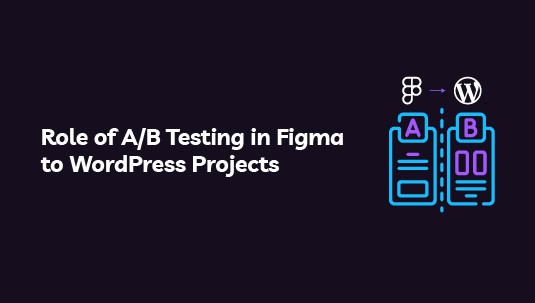
A/B testing, also known as split testing or bucket testing, is a method of comparing two versions of a webpage or application to determine which performs better. This testing strategy involves showing version A (the control) to one group and version B (the variation) to another group. Analyzing which version yields better results in terms of defined metrics helps in making data-driven decisions.
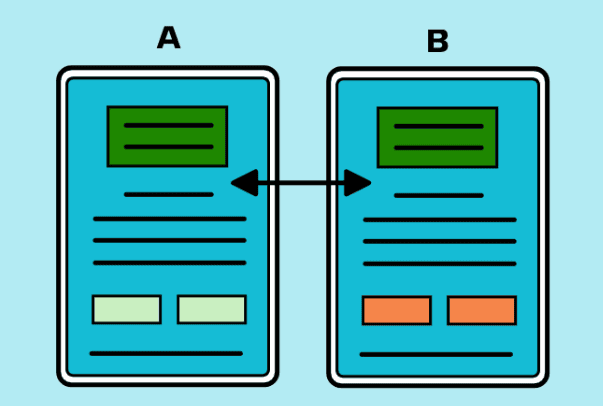
A/B testing is essential for optimizing user experience and conversion rates. By identifying which elements improve user interactions, designers and developers can create more effective websites that meet business goals.
The Importance of A/B Testing in Figma to WordPress Conversion
Primarily, when transferring designs from Figma to WordPress, A/B testing helps validate design decisions. For example, different button styles or call-to-action placements can significantly impact user engagement. By conducting A/B tests on these elements, designers can determine which variant generates more user interactions.
Other reasons to use A/B testing for Figma to WP conversion include:
Enhancing User Experience: User experience (UX) is a critical component of a successful website. A/B testing ensures that the UX remains consistent after converting Figma designs to WordPress. Designers can test navigation structures, typography, color schemes, and other design aspects to ensure users have an intuitive and seamless experience.
Optimizing Conversion Rates: Conversion rate optimization (CRO) is essential for meeting business objectives, whether it’s generating leads, making sales, or increasing membership sign-ups. A/B testing allows for testing different content layouts, headlines, images, and forms to identify the most effective version for conversion.
Continuous Improvement: A/B testing fosters a culture of continuous improvement. Websites should evolve over time to adapt to users’ changing needs and preferences. By regularly conducting A/B tests post-launch, businesses can ensure their site remains relevant and competitive.
Learn: How to Integrate Custom Post Types and Taxonomies
Figma to WordPress Conversion: How Can We Help
When it comes to converting your Figma designs into WordPress websites, our team at figtowp offers comprehensive services. We ensure that your website is visually stunning and performs seamlessly.

Here’s how we can assist you in bringing your design vision to life:
Expert Figma to WordPress Conversion
We specialize in transforming your Figma designs into dynamic WordPress websites. Our process ensures every detail is meticulously recreated while enhancing functionality.
- High-Fidelity Conversion: We maintain the integrity of your design, ensuring pixel-perfect accuracy.
- Responsive Design: Our conversions are optimized for various devices, providing a seamless user experience.
- SEO Optimization: We integrate best SEO practices to improve your website’s visibility and search ranking.
Custom WordPress Development
Our team provides custom WordPress development services to enhance your website’s functionality and user experience.
- Custom Themes and Plugins: We develop tailor-made themes and plugins to meet your specific requirements.
- Integration with Third-party Tools: Seamlessly integrate with third-party tools to enhance functionality and provide additional features.
- Performance Optimization: We optimize your website for speed and reliability, ensuring quick load times and efficient performance.
User Experience Enhancement
Enhancing user experience is at the core of our services to ensure your website is intuitive and engaging.
- Usability Testing: We conduct rigorous testing to ensure the website is easy to navigate and meets user expectations.
- Design Adjustments: Based on feedback, we make necessary adjustments to improve the overall user experience.
- Accessibility Compliance: Our guidelines ensure your website is accessible to all users, including those with disabilities.
Ongoing Support and Maintenance
We offer ongoing support and maintenance to ensure your website remains functional and up-to-date.
- Regular Updates: Keep your WordPress installation, themes, and plugins updated to the latest versions.
- Security Monitoring: We implement regular security measures to protect your site from vulnerabilities.
- Technical Support: Our team is available for troubleshooting and resolving any issues that may arise.
By choosing us, you’re entrusting your project to experts who are committed to delivering excellence at every step.
Leverage the Power of A/B testing with Our Expert Team
Increase user engagement and boost conversion rates with data-driven decisions. Contact us today to start transforming your Figma design into a high-performing WordPress website!
- Let’s Talk
Implementation of A/B Testing in Conversion Projects
To begin with, in A/B testing, you need to define clear goals and key performance indicators (KPIs). Whether the objective is to reduce bounce rates, increase session durations, or boost sales, having clear goals helps measure the tests’ success.
Step 1: Select Elements to Test
Based on user feedback and business objectives, select specific elements to test. Prioritize elements like headlines, call-to-action buttons, images, and forms, as these can significantly influence user behavior.
Step 2: Develop Test Variations
Create variations in Figma that represent different design hypotheses. These variations should contrast with the control version to easily identify the impact of changes.
Step 3: Implement Variations in WordPress
Leverage A/B testing tools, Google Optimize AB Selector, or plugins in WordPress, such as Nelio A/B Testing, to deploy variations. These tools facilitate splitting traffic between the control and variation versions.
Step 4: Run the Test
Conduct the test by splitting traffic between the original and variation over a period sufficient to gather statistically significant data. Ensure that the testing environment is consistent to avoid skewed results.
Step 5: Analyze Results
Once the test is complete, analyze the data to determine which variation performed better. Use analytics tools to compare metrics such as click-through rates, conversion rates, and user engagement times.
After analyzing the results, implement the winning version permanently in WordPress. This step requires seamless integration of design and function while maintaining other website aspects.
Find out: How to Design Landing Pages in Figma and Launch Them on WordPress
Best Practices for Effective A/B Testing
Here are some best A/B testing practices to follow for excellent results:
- Focus on One Element at a Time: Testing multiple elements simultaneously can lead to confusing results. So, focus on one element for more accurate insights.
- Use Sufficient Sample Size: Ensure the sample size is large enough to gather meaningful data and achieve statistical significance.
- Test for an Appropriate Duration: Testing too briefly can lead to inconclusive or inaccurate results. Allow sufficient time for user interactions.
- Maintain Data Integrity: Use consistent metrics and measurement tools to avoid skewed or biased data.
- Document Results: Keep track of tests and their outcomes for future reference and to avoid repeating similar tests.
Read about: Easy Methods for Seamless Web Design Integration
Conclusion
In conclusion, A/B testing is an indispensable component of Figma to WordPress conversion projects. It bridges the gap between design and functionality, ensuring that a beautifully crafted webpage ultimately serves its purpose effectively. By validating design decisions, enhancing user experience, and optimizing conversion rates, A/B testing enables businesses to achieve their digital objectives successfully.
Moreover, it promotes continuous improvement, helping websites remain competitive online. As you embark on your next Figma to WordPress conversion, consider integrating A/B testing to unlock your website’s full potential. Remember, a website is not just about how it looks, but also how it performs in delivering a seamless and engaging user experience.
FAQs About A/B Testing
What is A/B Testing, and why is it important?
A/B testing is a method of comparing two versions of a webpage to determine which one performs better. It is crucial for optimizing the user experience and enhancing website performance by making data-driven decisions.
How does A/B testing benefit Figma to WordPress conversion projects?
A/B testing validates design decisions, enhances user experience, optimizes conversion rates, and encourages continuous improvement in the conversion process, ensuring the website meets user needs and business goals.
What elements should be prioritized in A/B testing?
Prioritize elements that directly influence user interactions, such as headlines, call-to-action buttons, navigation structure, and forms, as these significantly impact user behavior and conversion rates.
How long should an A/B test run?
The duration of an A/B test varies depending on traffic volume and desired statistical significance. However, tests typically run for a few days to several weeks to ensure reliable data collection.