Designing a website in Figma is a creative process. However, many users get stuck when it comes to turning that design into a fully functional WordPress site. With options like automation tools and professional services for Figma to WordPress conversion, which route should you take?
Both approaches have their pros and cons. The right choice depends on your project needs, budget, timeline, and desired level of control. In this article, we’ll compare Figma to WordPress automation tools with professional services, helping you make an informed decision.
What is Figma to WordPress Conversion?
Figma is a powerful design tool used by designers to create website mockups. However, Figma designs are static. To make them live, you need to convert them into code, specifically HTML, CSS, JavaScript, and PHP for WordPress.
This is where Figma to WordPress conversion comes in. It involves transforming a visual design into a responsive, interactive, and functional website on WordPress. There are two main ways to do this:
- Using automation tools or plugins
- Hiring professional developers or agencies like figtowp
Turn Figma Design into a High-Performing WordPress Site
Don’t settle for shortcuts when it comes to your brand’s digital presence. Let experienced WordPress professionals transform your Figma design into a fast, secure, and SEO-optimized website.
What is Figma to WordPress Automation?
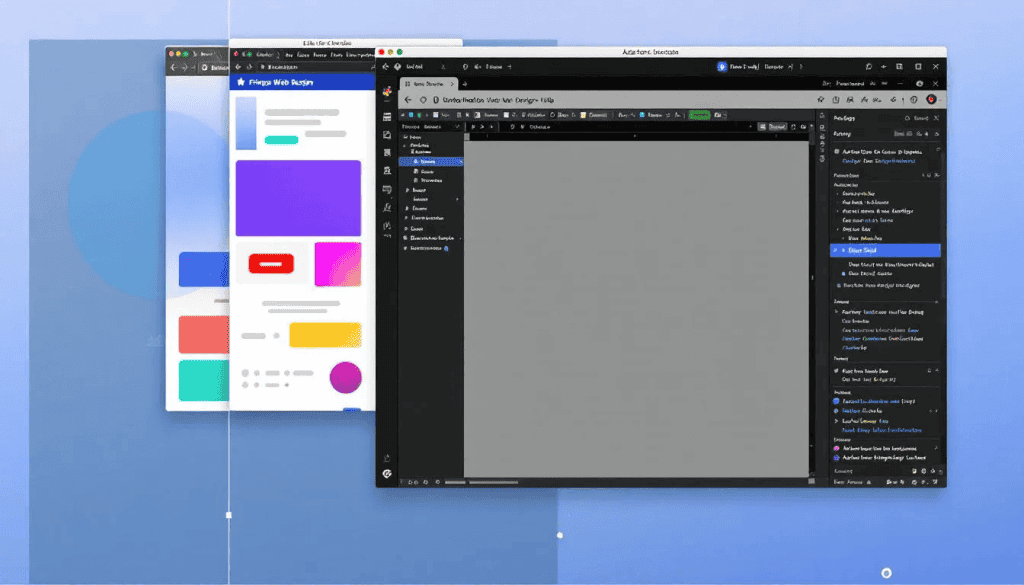
Figma to WordPress automation involves using software, plugins, or tools that automatically convert Figma designs into WordPress themes or page layouts. These tools aim to simplify the WordPress development process and reduce manual coding.
Popular Tools and WordPress Plugins
Some tools that offer Figma to WordPress automation include:
- Anima: Converts Figma to responsive HTML or React code. You can export and then embed into WordPress.
- Uizard: Allows Figma-like designs and exports HTML, though integration with WordPress needs manual steps.
- Framer (with plugins): While not directly for WordPress, some users export design components to integrate with WordPress themes.
- Locofy.ai: Converts Figma to code, which can then be adapted for WordPress use.
Note: Most automation tools don’t export full WordPress themes. Instead, they provide front-end code that you still need to integrate manually or with the help of a WordPress developer.
Pros of Figma to WordPress Automation
Automation tools offer a fast and simplified way to convert Figma designs into WordPress-compatible code. While they may not provide the same depth of customization as manual development, they come with several advantages that appeal to beginners, startups, and teams working with tight deadlines or budgets.
- Speed: Automation tools save a significant amount of time. With just a few clicks, you can convert static designs into usable front-end code, often within minutes. This is especially useful when you need to launch quickly or iterate rapidly.
- Cost-Effective: Most automation platforms are budget-friendly, with affordable monthly subscriptions. This makes them an attractive choice for small businesses, solo entrepreneurs, or anyone working with limited resources.
- Minimal Technical Skills Required: These tools are user-friendly. You don’t need to be a web developer to use them. Most platforms include intuitive drag-and-drop features, guided workflows, and clean user interfaces. This reduces the learning curve significantly.
Simple Steps: How to Convert Figma to Gutenberg
Cons of Figma to WordPress Automation
While automation tools offer speed and affordability, they also have notable limitations. These drawbacks can affect the quality, performance, and flexibility of your final WordPress website, especially as your project grows in complexity.
- Limited Customization: Automated exports tend to be rigid. Without manual coding support, it may be difficult to tweak design elements, apply brand-specific styling, or implement advanced features.
- Incomplete Integration: Most automation tools do not generate complete WordPress themes. They often stop at front-end code, leaving you to handle the backend, theme structure, and plugin compatibility on your own.
- SEO and Performance Issues: The code produced by these tools is not always optimized for SEO or loading speed. This can lead to slower site performance, which can negatively impact your search engine rankings and affect site visibility and user experience.
When to Choose Figma to WordPress Automation
Automation is ideal if:
- You’re launching a personal project or MVP and need complete control.
- Your budget is limited.
- You don’t require custom templates and themes
- You want a quick turnaround without added WordPress functionalities.
- You’re comfortable handling basic WordPress installation setup and maintenance or WordPress migration.
Guide to: Converting Figma Designs to HTML Code and Building a WordPress Website
What Are Professional Services for Figma to WordPress Conversion?
Professional Figma to WordPress conversion services involve hiring a developer or WordPress agency to convert your design into a fully functional website manually. These services handle everything from front-end development and backend integration to SEO, responsiveness, and site speed optimization.
Agencies Offering Figma Design to WordPress Site Conversion
Several specialized agencies provide professional Figma to WordPress conversion services. These teams focus on translating pixel-perfect designs into responsive, high-performance WordPress websites. Here are a few trusted options:

figtowp focuses exclusively on converting Figma designs into custom WordPress websites. We deliver clean, SEO-friendly code and ensure full responsiveness. Our services are tailored for agencies, startups, and web designers looking for reliable white-label development.

Seahawk Media offers a comprehensive suite of WordPress services, including Figma to WordPress conversions. Known for working with global brands and agencies, they deliver scalable, secure, and conversion-optimized websites with custom backend integration.
WP Whitelabel provides white-label Figma to WordPress services aimed at agencies and freelancers. They focus on quality, speed, and confidentiality. Thus, ensuring the end product aligns perfectly with the original design and brand requirements.
Also read: Best White-Label Figma to WordPress Conversion for Agencies
Pros of Professional Figma to WordPress Services
Choosing professional services for your Figma to WordPress project offers far more than just development. It ensures your website is crafted with precision, aligned with business goals, and ready for long-term success. Here’s why many businesses prefer this route:
- Tailored Solutions: Every element of your website is custom-built. Professionals write clean, purposeful code that aligns precisely with your design and unique functionality requirements, without shortcuts or compromises.
- Full Integration: You receive a fully integrated WordPress solution. This includes a complete theme or reusable blocks that are not only visually accurate but also mobile-friendly, SEO-optimized, and built for top-tier performance.
- Scalability and Maintenance: Expert developers build with future growth in mind. Whether you plan to scale content, add eCommerce features, or expand globally, your site is structured to evolve. Many agencies also offer ongoing support, maintenance, and updates to keep your site secure and stable.
- SEO and Accessibility Best Practices: Professional teams adhere to industry best practices. They ensure your site is technically optimized for search engines, meets accessibility standards, and performs well across all devices. This gives you a competitive edge in both rankings and usability.
Ultimate List: Best Figma to WordPress Agencies
Cons of Professional Services
While these may appear as drawbacks on the surface, the “cons” of professional Figma to WordPress services are more accurately long-term investments. They reflect the level of quality, scalability, and performance you receive, which is essential for businesses aiming to grow sustainably.
- Higher Cost: Custom development requires a bigger upfront budget. Unlike automation tools with fixed pricing, professional services come at a premium. However, this cost reflects the depth of expertise, attention to detail, and long-term value you receive.
- Longer Development Time: Handcrafted websites take more time to build. The process can stretch from a few weeks to a couple of months, from planning and development to testing and optimization. Yet, this extended timeline often leads to a more robust, future-ready product.
When to Choose Professional Figma to WordPress Services
Professional services are better if:
- Your design is complex or custom with interactive elements.
- You need high performance and SEO optimization.
- You’re building a business website, eCommerce store, or app integration with custom WordPress template tags.
- You want long-term support and scalability.
Check out: Best Websites for Finding Figma to WordPress Freelancers
Automation vs Professional Services: Key Comparison
Here’s an overview of of these methods for Figma to WordPress conversion:
| Feature | Automation Tools | Professional Services |
| Customization | Limited | Extensive |
| SEO-Friendliness | Basic | Advanced |
| Responsiveness | May require manual tweaking | Fully responsive |
| Scalability | Limited | High |
| Maintenance | DIY | Optional ongoing support |
| Cost | Low | Medium to High |
| Timeline | Fast | Depends on the project |
Hybrid Approach: A Middle Ground
A hybrid approach offers the best of both worlds for businesses seeking both efficiency and quality. This method combines automation with professional input, striking a balance between speed, affordability, and customization.
- Faster Initial Development: Automation tools are used to convert Figma designs into front-end code quickly. This drastically reduces the initial turnaround time, which is ideal for meeting tight deadlines or MVP launches.
- Expert Refinement: A developer steps in to refine the exported code. They handle theme integration, backend logic, responsiveness, and SEO enhancements. Thus, ensuring the final product meets professional standards.
- Balanced Investment: Finally, this approach keeps costs moderate. You save time and money on the front end while still benefiting from expert development on critical aspects. It’s a strategic solution for startups or growing businesses with limited resources but high standards.
Read: Top Figma-Friendly WordPress AI Website Builders to Simplify Your Design Process
Bonus: Figma to WordPress Conversion Process: Different Ways
There are multiple ways to turn a Figma design into a live WordPress website. Each method comes with its own strengths depending on your project’s complexity, budget, and timeline.
Method 1: Professional Conversion
Professional conversion involves hiring experienced developers or agencies to turn your Figma design into a fully functional WordPress website. They handle everything from pixel-perfect development to backend integration and optimization.
Best for: Businesses that need a high-performance, scalable, and SEO-friendly website with custom functionality.
Method 2: Manual Conversion
Manual conversion involves exporting Figma designs and hand-coding them using HTML, CSS, JavaScript, and PHP to create a custom WordPress theme.
- Best for: Complex, highly customized websites that need full control over design, functionality, and performance.
- Pros: Maximum flexibility, clean code, SEO-optimized.
- Cons: Time-consuming and requires technical skills.
Simplifying Your Workflow: How to Convert Figma to HTML/CSS
Method 3: Using WordPress Page Builders
Page builders like Elementor or Beaver Builder allow you to manually recreate Figma designs within WordPress using drag-and-drop tools.
- Best for: Designers and non-developers who want more creative control without coding.
- Pros: No coding needed, quick layout building.
- Cons: May introduce bloated code and limit advanced customization.
Know more: How to Convert Figma to Elementor
Method 4: Automated Conversion
Automated tools or Figma plugins generate WordPress-compatible code or themes directly from Figma files.
- Best for: Simple websites or rapid prototyping where speed matters more than flexibility.
- Pros: Fast and beginner-friendly.
- Cons: Limited control, may require cleanup or extra development.
Final Thoughts: What’s Best for You?
There’s no one-size-fits-all solution. If you’re testing ideas or building a simple landing page, automation tools can get the job done. But for anything beyond that, especially business websites, investing in professional services ensures better quality, performance, and future growth.
Before deciding, assess your:
- Budget
- Timeline
- Technical expertise
- Long-term goals
Remember, your website is often your brand’s first impression. Whether you choose automation or professional help, make sure the end result reflects your vision and delivers real value to your audience.
Figma to WordPress FAQs
Is it easy to convert Figma to WordPress?
Converting Figma to WordPress can be easy if you’re using automation tools. But, for full customization and functionality, it usually requires coding skills or professional help.
Can Figma be used for WordPress?
Yes, Figma is widely used to design WordPress websites. However, it’s a design tool only, so you’ll need to convert the design into code to use it on WordPress.
How much does professional Figma to WordPress cost?
Depending on the project scope, the Figma to WordPress conversion cost can start from $199/page for professional services.
Is Figma better than Elementor?
Figma and Elementor serve different purposes. Figma is a design tool, while Elementor is a page builder for WordPress. You can use both together, i.e., design in Figma and then build using Elementor.
Do I need a developer to convert Figma to WordPress?
Not always. For simple sites, automation tools or WordPress page builders may work. But for advanced features, SEO optimization, or performance tuning, hiring a web developer is recommended.
What’s the fastest way to turn a Figma design into a WordPress site?
The fastest way is using a Figma-to-code tool combined with a WordPress page builder or theme framework. However, speed may come at the cost of flexibility and performance.