Every great product starts with an idea. But how do you know if that idea will actually work in the real world? The answer is a Minimum Viable Product (MVP). If you are a first-time founder or designer, tools like Figma make the MVP design process faster and more affordable. In this guide, we’ll walk step by step through the process of creating an MVP with Figma.
You’ll learn how to define goals, build wireframes, design prototypes, test with users, and refine your product for launch. By the end, you’ll know exactly how to validate your startup idea and prepare for growth.
What is a Minimum Viable Product (MVP)?
A Minimum Viable Product is a simple, working version of your product that includes only the most important features. Instead of trying to build everything at once, you start small. This approach helps you:
- Validate your idea quickly.
- Collect feedback from real users.
- Save time and money by avoiding unnecessary features.
- Learn what users actually want before building a full product.
Think of an MVP as a bridge between your idea and the final product.
Read about: How to Use Figma for Product Design
For example, if you want to create a food delivery app, your MVP doesn’t need advanced features like live tracking or reward points. Instead, it only needs the ability to browse restaurants, place an order, and pay.
Many successful startups began with MVPs. Airbnb started with a simple website where people could rent air mattresses. Dropbox tested its idea with a short video before coding anything.
These examples prove that you don’t need a polished product to start. You need a product that solves the main problem.
Let’s Build and Launch Your MVP Together
Turn your idea into a real product with our expert team. We help you design, develop, and launch MVPs quickly and affordably.
Why Use Figma for MVP Design?
Figma is one of the best tools for designing an MVP. It is a cloud-based design platform that allows you to create, edit, and share designs in real time.
Unlike traditional design tools, Figma works directly in your browser. This makes it easy to collaborate with teammates, agencies, or clients.
Here are a few reasons why Figma is perfect for MVP design:
- Ease of Use: You don’t need design experience. Its drag-and-drop features make it beginner-friendly.
- Collaboration: Multiple people can work on the same design file at the same time, just like Google Docs.
- Prototyping: You can turn static screens into interactive prototypes without extra tools.
- Speed: Built-in templates and UI kits help you move faster.
- Accessibility: You can access your designs from any device, anywhere.
For startups, this means you can create and share your MVP design quickly without spending money on complex software.
Compare: Figma to WordPress Automation vs Professional Services
Steps to Designing Your MVP with Figma
Designing an MVP is not just about creating screens. It’s about building something users can actually interact with and test. Let’s break down the process into clear steps.
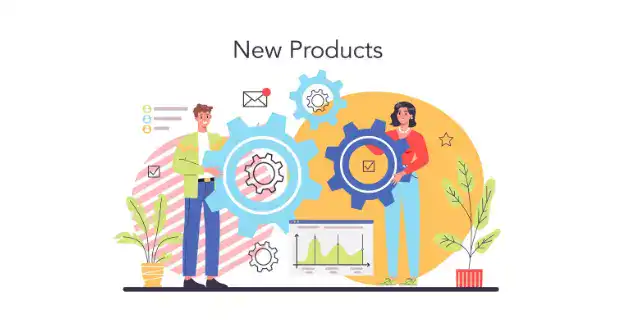
Step 1: Define Your MVP Goals
Before opening Figma, you need clarity on what your MVP should achieve. Ask yourself:
- Who is my target audience?
- What problem am I solving?
- What features are absolutely necessary?
- What would success look like?
For example, if your idea is a workout app, your MVP goal might be: “Help users track daily workouts with simple logging and reminders.” That means your MVP only needs a log feature, a reminder system, and a simple dashboard.
This step ensures you stay focused and avoid feature overload.
Expert Picks: Best Page Builders for Figma to WordPress Conversion
Step 2: Map the Customer Journey
Next, sketch out how users will interact with your product. This is called the customer journey or user flow. It’s a simple diagram showing how a person moves from start to finish in your app or website.
For example, in a food delivery MVP, the journey could be:
- Open the app
- Select a restaurant
- Choose food items
- Place an order
- Pay online
Mapping this out helps you understand the essential screens you need to design in Figma.
Explore: Best UI/UX Design Trends
Step 3: Build Wireframes in Figma
Now, it’s time to get visual. Start by creating wireframes, such as basic, black-and-white layouts that show structure, not style.
In Figma:
- Use rectangles, text boxes, and shapes to represent buttons, menus, and content.
- Don’t worry about colors or images yet.
- Focus on layout, navigation, and usability.
Wireframes help you confirm the structure of your MVP before investing time in high-quality designs.
Check out: Best Prototyping Tools for UI/UX Designers
Step 4: Design High-Fidelity Prototypes
Once wireframes are ready, move on to high-fidelity prototypes. These are polished designs that look like the final product. Add:
- Brand colors and fonts.
- Icons, images, and buttons.
- Interactive elements like clickable menus.
Figma makes this easy with built-in components and design systems. You can even link screens together to simulate real user interaction.
For example, clicking the “Order Now” button can take the user to the payment page. This makes your prototype feel real and ready for testing.
Learn: Brand Asset Management Software for Figma to WordPress Transformations
Step 5: Test with Real Users
Testing is the most important step of MVP design. You don’t want to guess; you want feedback.
In Figma, share a link to your prototype with users. They can click through the design and give you feedback on:
- Is the navigation clear?
- Are the buttons easy to find?
- Does the flow make sense?
- What features are missing?
You can gather qualitative feedback (opinions, thoughts, struggles) and quantitative feedback (clicks, time spent, completion rate).
Remember, the goal of testing is not perfection, it’s improvement.
Know more: Role of Spatial Design System in Figma
Step 6: Refine Based on Feedback
After testing, analyze feedback and look for patterns. If multiple users struggled with the same step, that’s where you should make changes. For example:
- If users can’t find the checkout button, make it larger or more visible.
- If users want a search bar, consider adding it in the next version.
Refinement is an ongoing cycle. The more you test, the closer you get to a product that users love.
Also read: Figma to Gutenberg Using Spectra Block Editor
Building and Testing the MVP with a Development Team
Once your Figma prototype is polished, the next step is building a functional version of your MVP. This requires a skilled development team to turn static designs into a working product. You generally have two main options:

Hire In-House Developers
Hiring in-house developers gives you the advantage of direct collaboration, allowing you to work closely with your team and make quick adjustments as needed. This setup also ensures full ownership, since all the knowledge, processes, and technical expertise remain within your company, which is beneficial for long-term growth and scaling.
However, building an in-house team can be costly, as it requires ongoing salaries, investment in tools, and training expenses. These are some of the challenges that may be difficult for early-stage startups with limited budgets.
Read about: Role of Designers and Developers in Converting Figma to WordPress
Partner with an Agency
Partnering with an agency like figtowp gives you access to expertise on demand, as agencies already have skilled teams with experience in building MVPs across different industries. Their established workflows, tools, and resources make the development process faster and more efficient, helping you bring your product to market quickly.
This option also offers flexibility, allowing you to scale support up or down as your needs change, without the long-term commitments and overhead costs of maintaining a full in-house team.
Testing the Built MVP
Once the MVP is developed, testing doesn’t stop. Instead of testing only interactive prototypes, you now test real, coded features with actual users. Gather feedback through:
- Usability testing to ensure the product works smoothly.
- Performance checks to confirm speed and stability.
- User feedback loops to identify missing or confusing features.
This combination of skilled development and continuous testing ensures your MVP is not only functional but also valuable to real users.
Launching and Refining Your MVP
Launching your MVP is not the end of the journey but only the beginning. Once your product is in the hands of real users, you’ll gain valuable insights into how it performs in the real world.
This stage is all about learning, adapting, and making improvements to ensure your MVP grows into a product people truly love. Here are the key steps to focus on post-launch:
Collect Feedback Continuously
Gather feedback from users through surveys, interviews, support tickets, and analytics tools. Continuous feedback helps you understand pain points, uncover hidden needs, and prioritize improvements. The more open you are to user input, the stronger your product will become.
Track Usage Data
Beyond opinions, study how people actually use your product. Analytics can show which features are popular, which are ignored, and where users drop off. For example, if most users abandon checkout halfway, you’ll know to optimize that flow.
Refine and Improve
Use both feedback and data to refine your product. Fix confusing navigation, enhance usability, or add small improvements that make a big difference. Each iteration brings your MVP closer to a market-ready product.
Scale Gradually
Avoid rushing to build every feature at once. Instead, add new features step by step, based on actual demand. For example, if your food delivery MVP is working well, you might introduce order tracking or loyalty rewards in the next version.
By growing gradually and focusing on real user needs, you ensure your MVP evolves into a scalable, successful product.
Practical Example: A Simple MVP in Action
Let’s walk through a practical example to better understand the MVP process. Imagine you want to build a language learning app. Instead of jumping straight into a full-featured product, you focus on creating a simple MVP that solves one core problem, helping users practice vocabulary daily.
- Define the MVP Goal: The primary goal is to allow learners to practice words consistently in a structured way. This keeps the project focused and prevents unnecessary features from being added too early.
- Identify Must-Have Features: Your MVP only needs the essentials: word lists, flashcards, and progress tracking. These features directly support the goal without overcomplicating development.
- Create Wireframes in Figma: Start with low-fidelity wireframes to plan the structure. Include basic screens such as login, word list, and flashcards. At this stage, focus on flow rather than visuals.
- Build a Prototype in Figma: Next, turn the wireframes into a high-fidelity prototype by adding brand colors, fonts, and interactive flashcards. Now users can click through the design as if it were a real app.
- Test with Real Users: Share the prototype with a small group, say 10 users, and collect feedback. Ask about usability, clarity, and missing features.
- Refine Based on Feedback: If many users request audio pronunciation, you can plan to include it in the next version.
By following these steps, you validate the idea quickly before investing in advanced features like AI tutors or community chat, saving time and money while staying user-focused.
Conclusion
Creating an MVP with Figma is one of the fastest and most affordable ways to validate your startup idea. You don’t need coding skills or a huge budget. You only need a clear goal, an understanding of your users, and the patience to test and refine. You can also partner with an agency if you need technical support.
By following this guide, you’ll be able to design, test, and launch an MVP that solves real problems and prepares your product for growth.
The best part? With tools like Figma, you can go from idea to interactive design in days and not months.
FAQs on Creating an MVP with Figma
What is the first step to start designing an MVP?
The first step is defining the problem your product solves and outlining the must-have features in a clear step by step guide.
How many essential stages are there in MVP design?
There are four essential stages: defining goals, building MVP wireframes, creating prototypes, and testing with real users.
Why is MVP testing important?
MVP testing helps you collect qualitative insights and real usage data, ensuring you validate features before scaling.
How can Figma help in the MVP process?
Figma offers drag-and-drop elements to build layouts quickly, making screen design and UI/UX much easier for beginners.
Should I hire an in-house team or a web development agency?
If you lack technical expertise, an external web development agency can help finalize assets and prepare for a soft launch.
How do I keep improving after launch?
Use a strong product feedback loop with qualitative and quantitative feedback to drive continuous improvement and support product evolution.
What makes an MVP successful long-term?
A lean approach reduces development costs, while innovation teams focus on features based on feedback to create scalable products, digital products, and websites that scale businesses.